
B.Tech. in Electronics Engineering (VLSI Design and Technology)
Explore VLSI circuit and system design, microfabrication, semiconductor technologies, SoC design, verification and testing through the B.Tech. Electronics Engineering (VLSI Design and Technology) curriculum.
Designing the future of VLSI technology
The B.Tech. in Electronics Engineering (VLSI Design and Technology) develops knowledge of VLSI circuits and systems, semiconductor microfabrication, SoC design, and industry-standard tools and methodologies.
The supplied programme structure specifies a minimum of 160 credits and includes professional electives, specialization baskets, projects, practical training, and distinct B.Tech. (Honours) and B.Tech. (Research) semester VII–VIII pathways.
VLSI circuits
Analog and digital electronic circuits, digital VLSI circuits and mixed-signal IC design.
Semiconductor technology
Microfabrication, semiconductor materials and optoelectronics.
SoC & verification
System-on-chip design, VLSI verification, testing and signal processing.
Research & projects
Research electives, practical training, internship and project work.
Eligibility criteria
Applicants should review the current KIIT admission rules before applying.
Full admission information- 01
Candidates who have completed or are appearing for a 10+2 examination or equivalent may apply for the four-year B.Tech. programme.
- 02
Applicants should have studied in regular, full-time formal education during school or college.
- 03
A minimum of 60% taken together in Physics, Chemistry and Mathematics at 10+2 or equivalent is required.
What the programme prepares you to do
Explore the educational objectives, graduate outcomes and programme-specific capabilities.
Lead a successful career in industries or undertake entrepreneurial endeavors and provide solutions in designing and developing VLSI circuits and systems using industry-standard tools and methodologies.
Utilize knowledge, skills and resources to design, invent and find creative and innovative solutions to engineering problems in a multidisciplinary work environment following appropriate ethical practices.
Develop an attitude of lifelong learning, apply and adapt new ideas as technology evolves.
Engineering knowledge
Apply mathematics, science, engineering fundamentals and specialised knowledge to complex engineering problems.
Problem analysis
Identify, formulate and analyse complex problems using first principles and relevant research literature.
Design and development
Design solutions, components or processes with appropriate health, safety, cultural, societal and environmental consideration.
Investigation
Use research methods, experiments, data analysis and synthesis to reach valid conclusions.
Modern tool usage
Select and apply suitable engineering and IT tools, understanding their capabilities and limitations.
Engineer and society
Assess societal, health, safety, legal and cultural considerations and professional responsibilities.
Sustainability
Understand the societal and environmental impact of engineering solutions and the need for sustainable development.
Ethics
Apply ethical principles and uphold professional responsibilities and engineering practice.
Individual and team
Work effectively as an individual, team member or leader in diverse multidisciplinary teams.
Communication
Write, present, comprehend and exchange clear technical information with professional and public audiences.
Project management
Apply engineering and management principles to personal work, teams and multidisciplinary projects.
Lifelong learning
Recognise and pursue independent learning in the broad context of technological change.
Design, simulate and analyze VLSI circuits and systems using industry-standard tools and techniques, with understanding of VLSI design principles, methodologies and emerging technologies.
Carry out research in SoC Design, microfabrication and related technologies.
Design and develop complex products using suitable tools for societal and engineering needs, with skills to communicate effectively in groups.
Complete curriculum
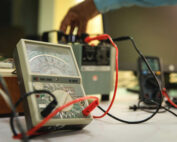
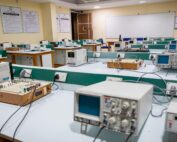
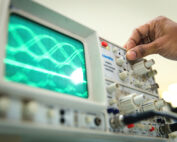
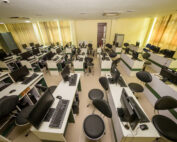
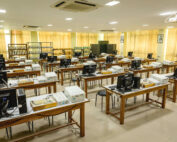
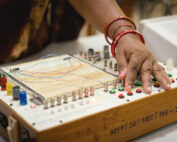
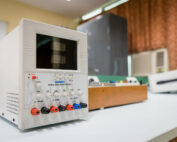
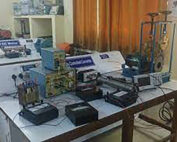
Laboratories
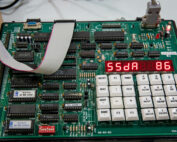
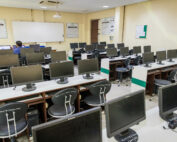
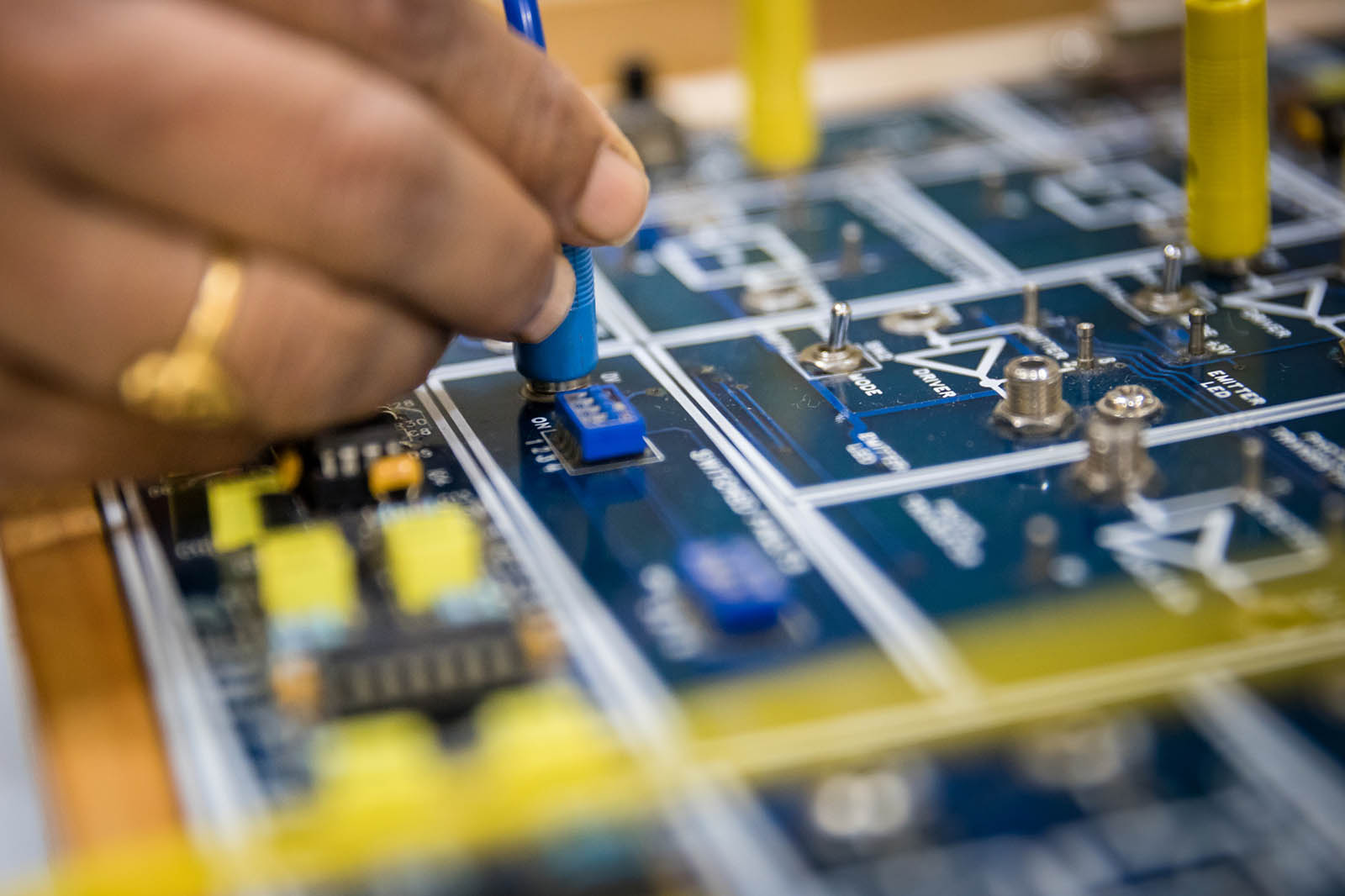
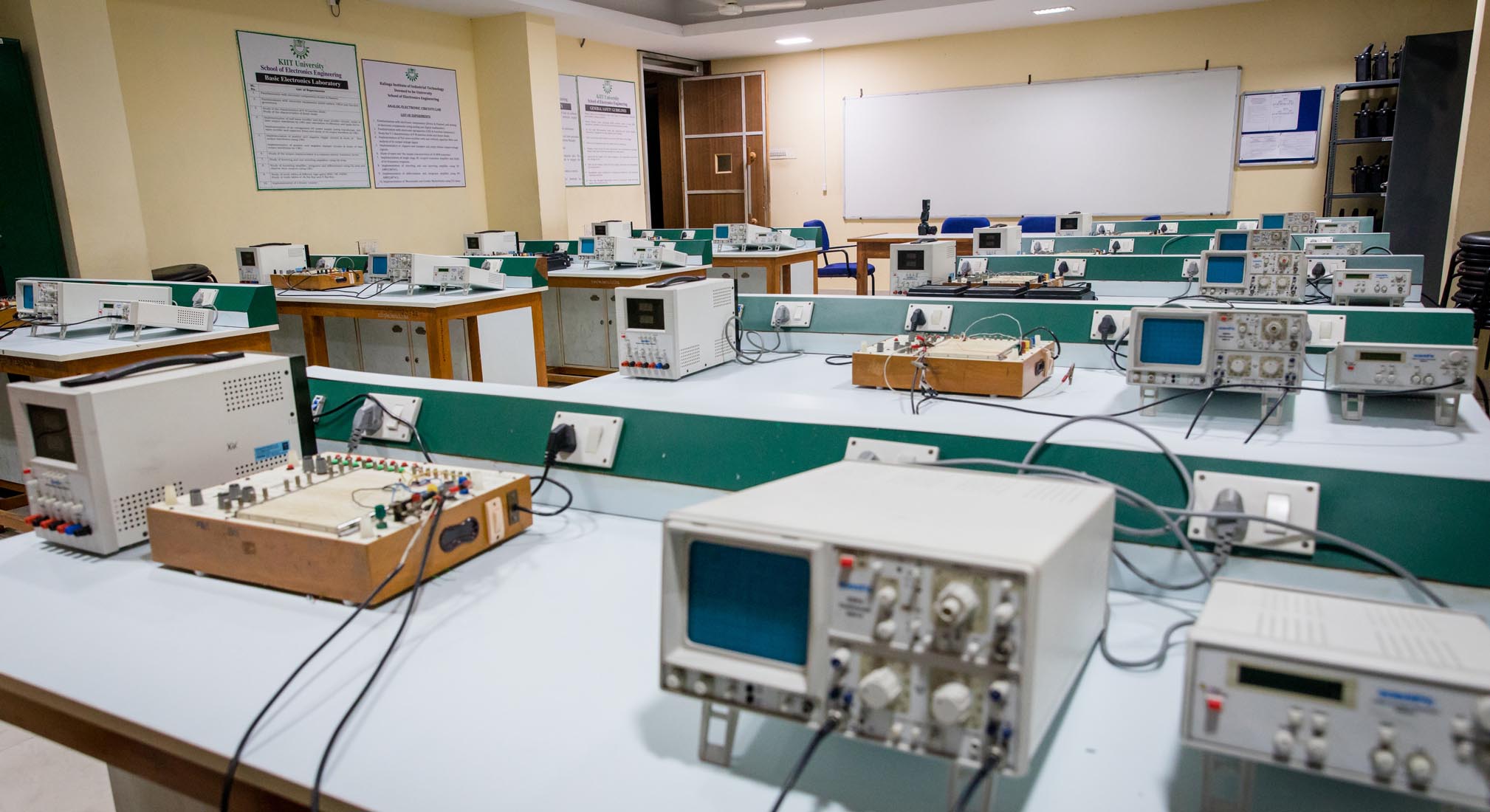
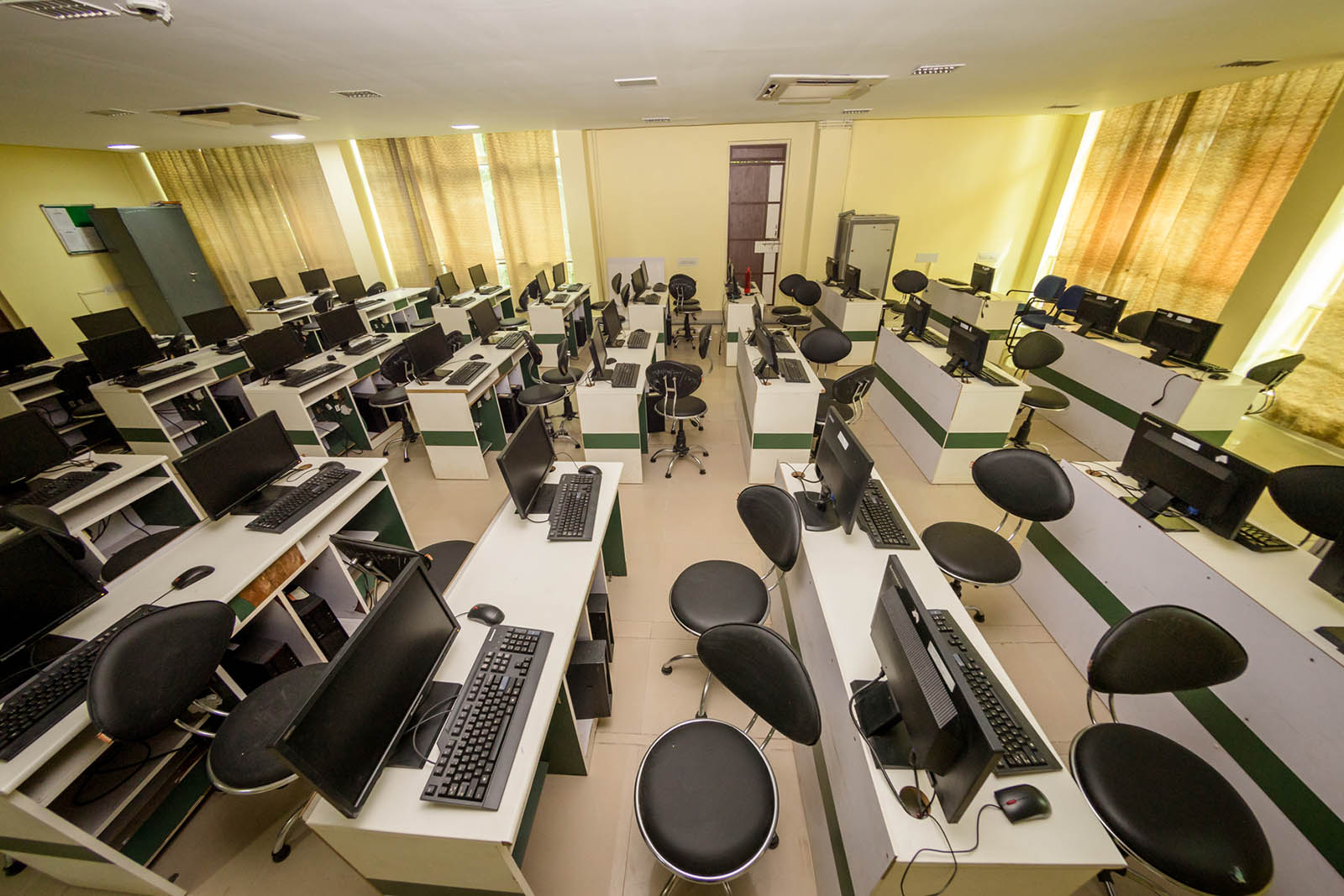
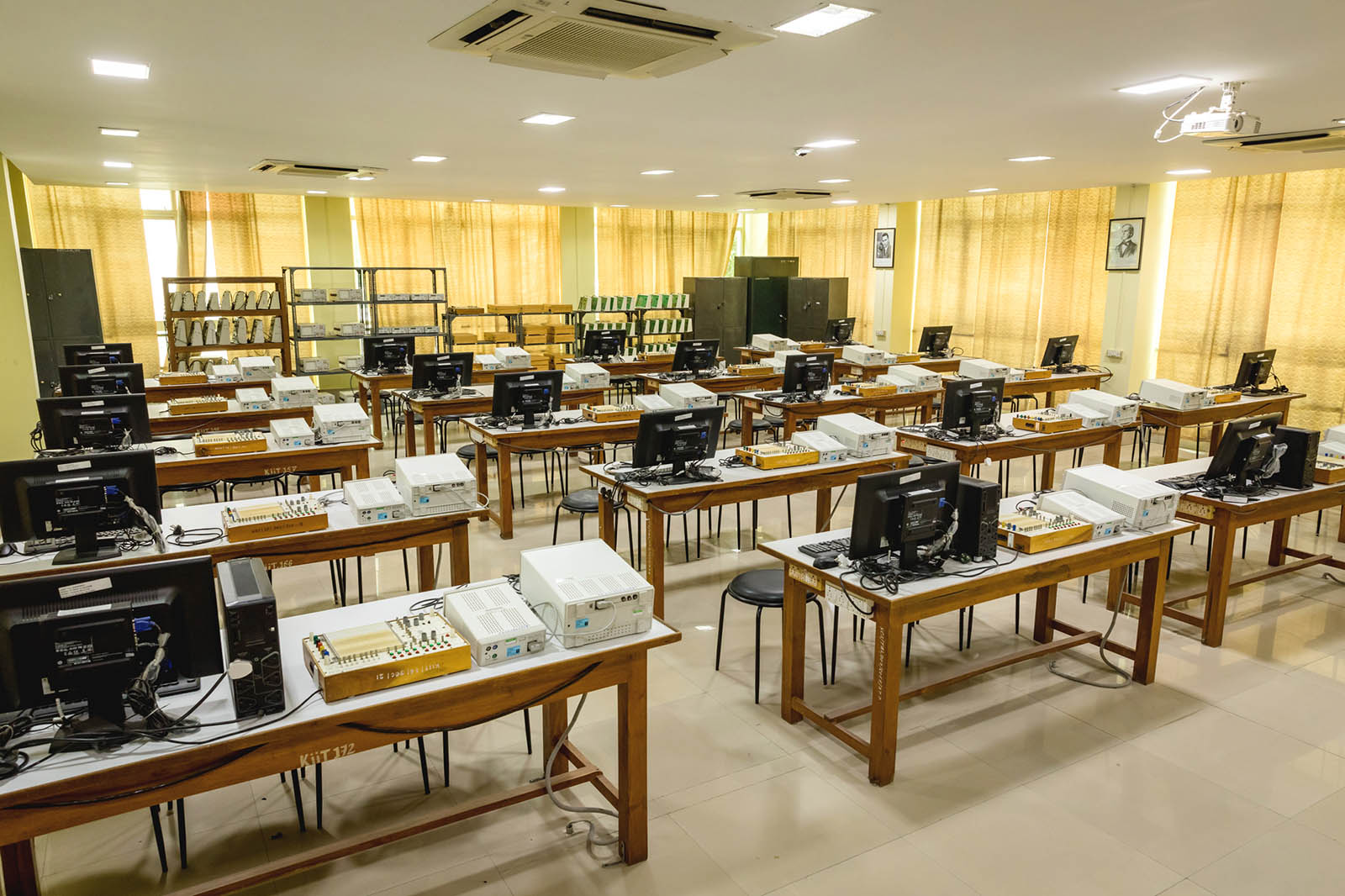
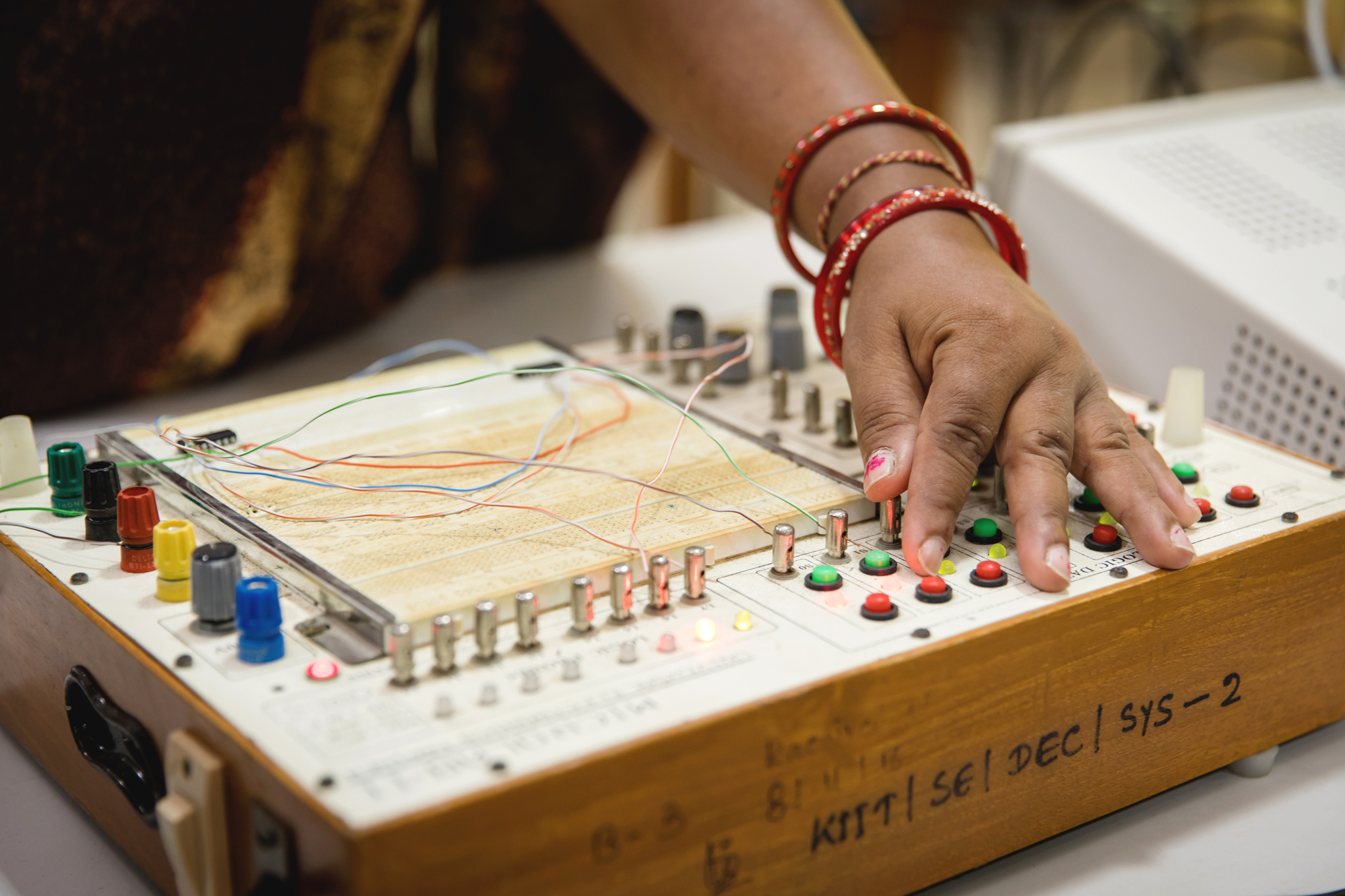
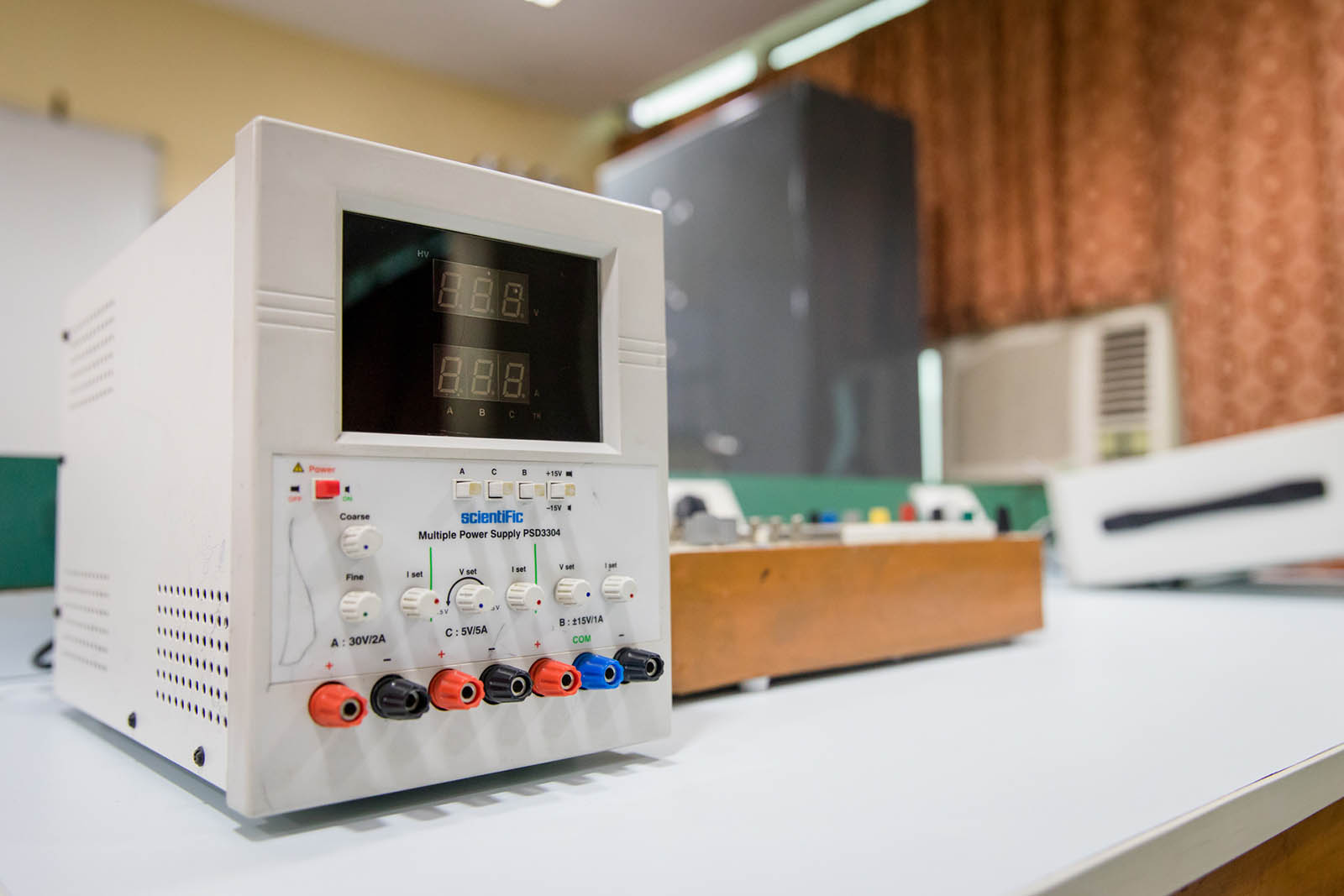
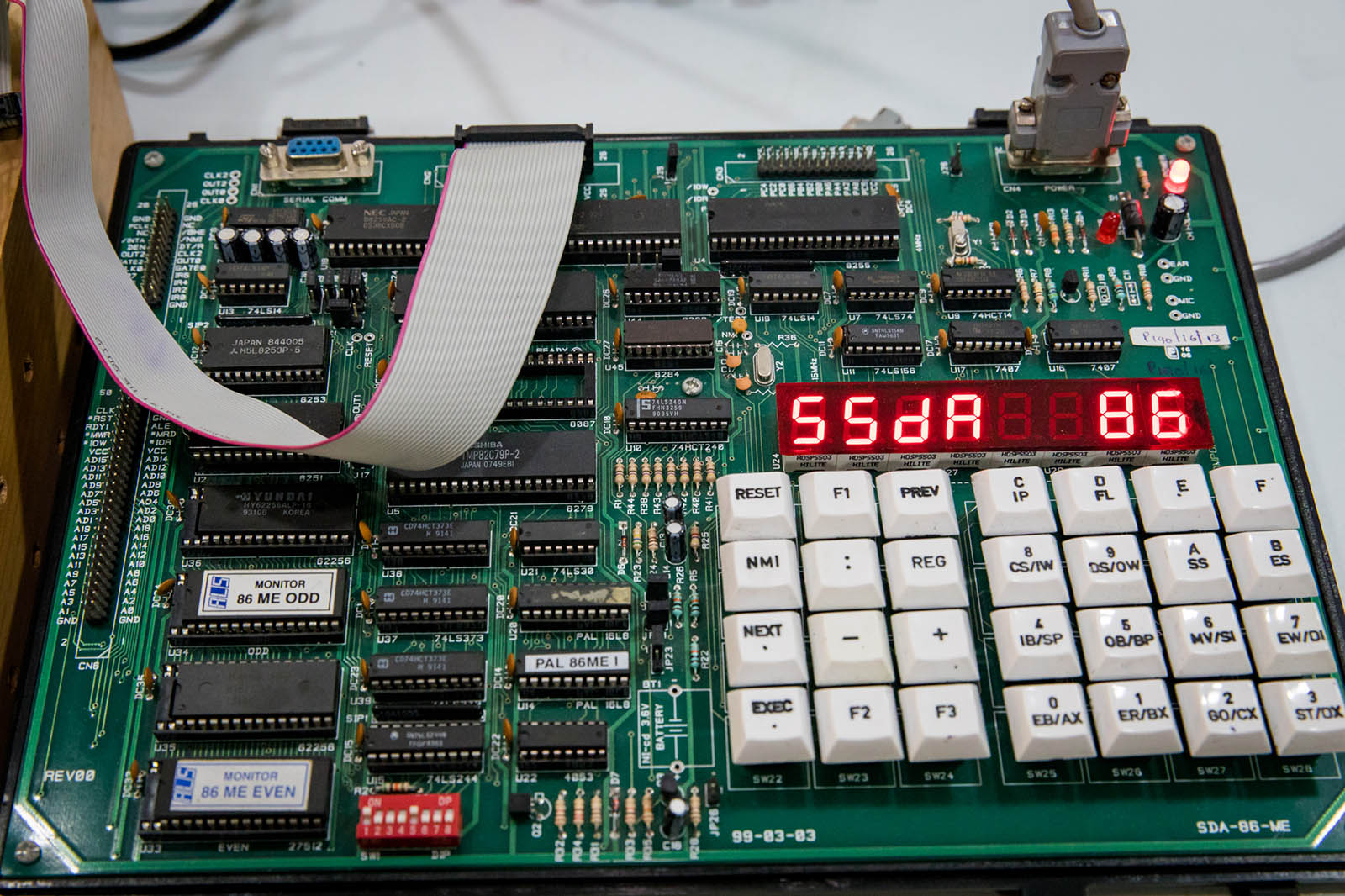
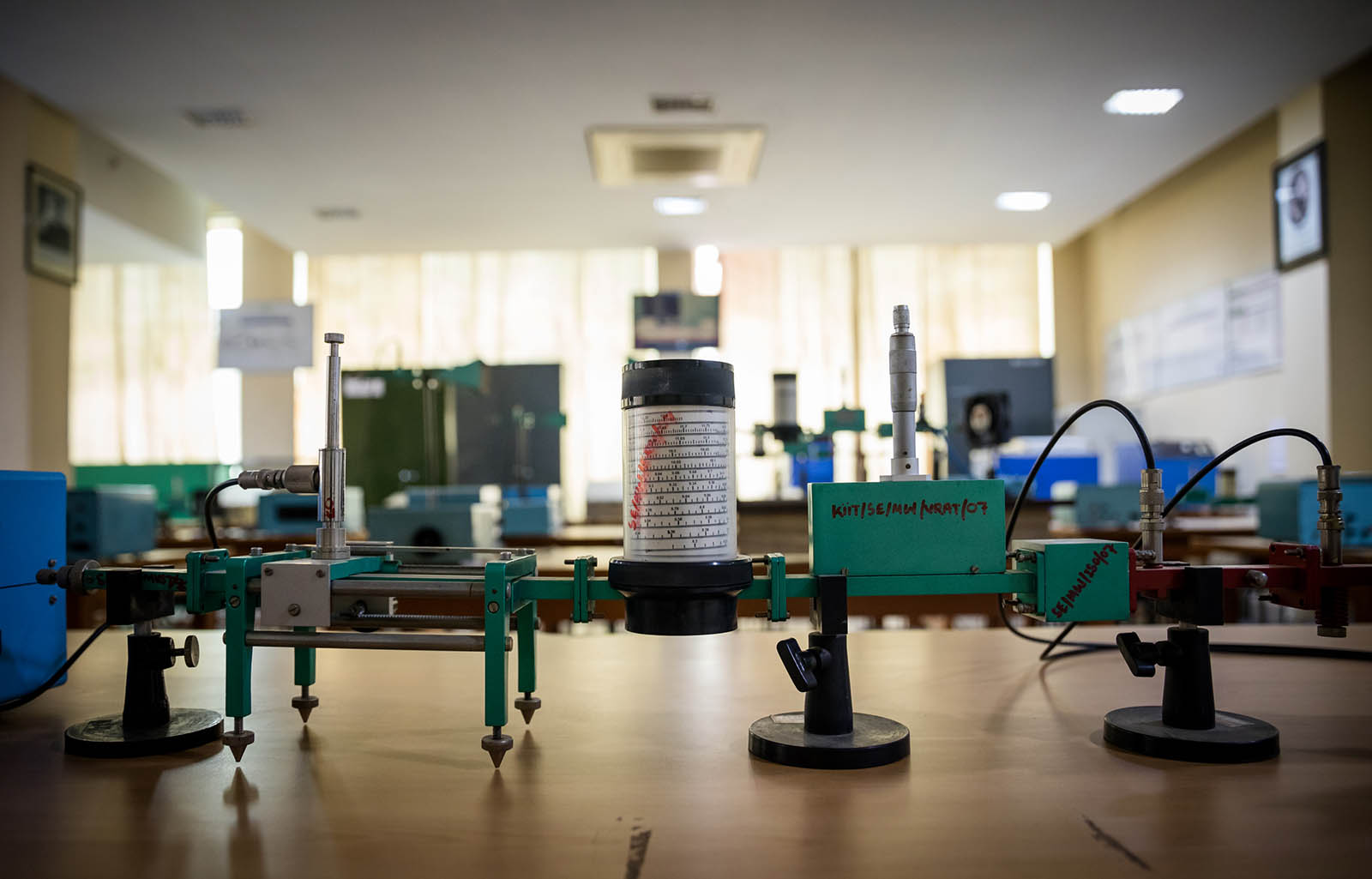
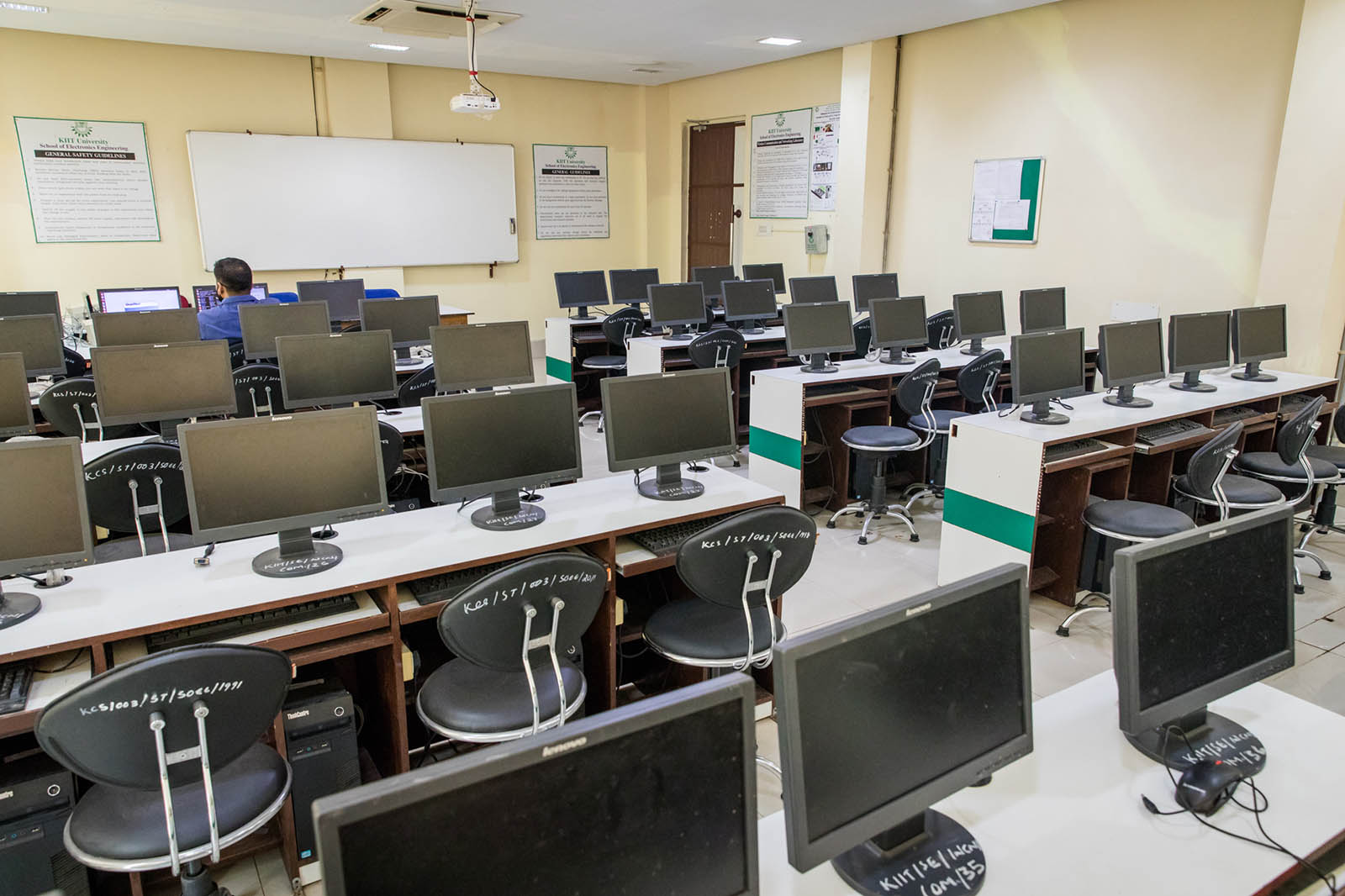
The curriculum includes the following VLSI-focused practical laboratory courses.
Full curriculum & course structure
Programme objectives, outcomes, credit requirements, semester III–VIII structures, Honours and Research pathways, professional electives, specialization baskets, research electives, vocational electives and K-Explore open electives.
B. Tech. Honors/ Research Degree
in
Electronics Engineering (VLSI Design and Technology)
B.Tech in Electronics Engineering (VLSI Design and Technology) Program Educational Objectives (PEOs):
Lead a successful career in industries or undertake entrepreneurial endeavors and provide solutions in the areas of designing and developing VLSI circuits and systems, utilizing industry-standard tools and methodologies.
Utilize their knowledge, skills and resources to design, invent and find creative and innovative solutions to engineering problems in a multidisciplinary work environment following appropriate ethical practices.
Develop attitude in lifelong learning, apply and adapt new ideas as the technology evolves.
Program Outcomes (POs):
The program outcomes are:
Engineering knowledge: Ability to apply the knowledge of mathematics, science, engineering fundamentals, and an engineering specialization to the solution of complex engineering problems.
Problem analysis: Ability to identify, formulate, review research literature, and analyze complex engineering problems reaching substantiated conclusions using first principles of mathematics, natural sciences, and engineering sciences.
Design/Development of solutions: Ability to design solutions for complex engineering
problems and design system components or processes that meet the specified needs with appropriate consideration for the public health and safety, and the cultural, societal, and environmental considerations.
Conduct investigations on complex problems: Ability to use research-based knowledge and research methods including design of experiments, analysis and interpretation of data, and synthesis of the information to provide valid conclusions.
Modern tool usage: Ability to create, select, and apply appropriate techniques, resources, and modern engineering and IT tools including prediction and modeling to complex engineering activities with an understanding of the limitations.
The engineer and society: Ability to apply reasoning informed by the contextual knowledge to assess societal, health, safety, legal and cultural issues and the consequent responsibilities relevant to the professional engineering practice.
Environment and sustainability: Ability to understand the impact of the professional
engineering solutions in societal and environmental contexts, and demonstrate the knowledge of, and need for sustainable development.
Ethics: Ability to apply ethical principles and commit to professional ethics and responsibilities and norms of the engineering practice.
Individual and team: Ability to function effectively as an individual, and as a member or leader in diverse teams, and in multidisciplinary settings.
Communication: Ability to communicate effectively on complex engineering activities with the engineering community and with society at large, such as, being able to comprehend and write effective reports and design documentation, make effective presentations, and give and receive clear instructions.
Project management and finance: Ability to demonstrate knowledge and understanding of the engineering and management principles and apply these to one’s own work, as a member and leader in a team, to manage projects and in multidisciplinary environments.
Life-long learning: Ability to recognize the need for, and have the preparation and ability to engage in independent and life-long learning in the broadest context of technological change.
Program Specific Outcomes (PSOs)
The program specific outcomes are:
Proficiency to design, simulate, and analyze VLSI circuits and systems using industry-standard tools and techniques, demonstrating a deep understanding of VLSI design principles, methodologies, and emerging technologies.
Ability to carry out research in the fields of SoC Design, microfabrication and related technologies.
Ability to design and develop complex products using suitable tools for societal and engineering needs with skills to communicate effectively in groups.
CURRICULUM
The total minimum credits required for completing the B.Tech in Electronics Engineering (VLSI Design and Technology) Program is 160
PROFESSIONAL ELECTIVE COURSES
Professional elective-I, II, III are offered during semester five and six. Professional elective IV and V are offered during semester seven and eight. List of electives to be offered during an academic year is announced at the beginning of respective semesters. An elective will be offered only if ten or more students are interested in it. Not that all the electives will be offered in every academic year. Some electives may have seat limitations and will be offered in first cum first serve basis. In order to accommodate more aspiring students, electives having high demand may be offered twice, that is during autumn as elective-I or II and again as elective-III during spring semester.
Students can select electives based on their interest in a domain. Areas of specialization or domain are optional, however electives can be grouped to provide learning around a functional area. Students may qualify for a maximum of one area of Specialization. Completion of the specialization will not be reflecting on transcripts or degree certificate.
Electronics Engineering (VLSI Design and Technology)
SEMESTER III
| Theory | Theory | Theory | Theory | Theory | Theory | Theory | Theory |
| Sl No. | Course Code | Subjects | L | T | P | Total | Credit |
| 1 | EV21001 | Analog and Digital Electronic Circuit | 3 | 1 | 0 | 4 | 4 |
| 2 | EC20001 | Signals and Systems | 3 | 0 | 0 | 3 | 3 |
| 3 | EV20001 | Microfabrication | 3 | 0 | 0 | 3 | 3 |
| 4 | CS20001 | Concepts of Data Structures and Algorithms | 3 | 0 | 0 | 3 | 3 |
| 5 | MA21001 | Probability and Statistics | 3 | 1 | 0 | 4 | 4 |
| 6 | EX20003 | Scientific and Technical writing | 2 | 0 | 0 | 2 | 2 |
| Total Credit (Theory subjects) | Total Credit (Theory subjects) | Total Credit (Theory subjects) | Total Credit (Theory subjects) | Total Credit (Theory subjects) | Total Credit (Theory subjects) | 19 | 19 |
| Practical | Practical | Practical | Practical | Practical | Practical | Practical | Practical |
| 1 | EC29001 | Electronic Circuits Lab | 0 | 0 | 4 | 4 | 2 |
| 2 | CS29001 | Data Structures Lab | 0 | 0 | 2 | 2 | 1 |
| Sessional | Sessional | Sessional | Sessional | Sessional | Sessional | Sessional | Sessional |
| 1 | Vocational Elective | 0 | 0 | 2 | 2 | 1 | |
| Total Credit (Practical & Sessional subject) | Total Credit (Practical & Sessional subject) | Total Credit (Practical & Sessional subject) | Total Credit (Practical & Sessional subject) | Total Credit (Practical & Sessional subject) | Total Credit (Practical & Sessional subject) | 8 | 4 |
| Total Credit (Semester) | Total Credit (Semester) | Total Credit (Semester) | Total Credit (Semester) | Total Credit (Semester) | Total Credit (Semester) | 27 | 23 |
SEMESTER IV
| Theory | Theory | Theory | Theory | Theory | Theory | Theory | Theory |
| Sl No. | Course Code | Subjects | L | T | P | Total | Credit |
| 1 | MA21002 | Discrete Mathematics | 3 | 1 | 0 | 4 | 4 |
| 2 | EV20002 | Digital VLSI Circuits | 3 | 0 | 0 | 3 | 3 |
| 3 | EV20004 | Digital Logic Design with Verilog | 3 | 0 | 0 | 3 | 3 |
| 4 | EV20006 | Embedded Design and Computer Architecture | 3 | 0 | 0 | 3 | 3 |
| 5 | EX20001 | Industry 4.0 Technologies | 2 | 0 | 0 | 2 | 2 |
| 6 | HASS Elective-II | 3 | 0 | 0 | 3 | 3 | |
| Total Credit (Theory subjects) | Total Credit (Theory subjects) | Total Credit (Theory subjects) | Total Credit (Theory subjects) | Total Credit (Theory subjects) | Total Credit (Theory subjects) | 18 | 18 |
| Practical | Practical | Practical | Practical | Practical | Practical | Practical | Practical |
| 1 | EV29002 | Digital VLSI Lab | 0 | 0 | 2 | 2 | 1 |
| 2 | EV29004 | Verilog Lab | 0 | 0 | 2 | 2 | 1 |
| 3 | EV29006 | Scripting Language and Python | 0 | 0 | 2 | 2 | 1 |
| Sessional | Sessional | Sessional | Sessional | Sessional | Sessional | Sessional | Sessional |
| 1 | |||||||
| Total Credit (Practical & Sessional subject) | Total Credit (Practical & Sessional subject) | Total Credit (Practical & Sessional subject) | Total Credit (Practical & Sessional subject) | Total Credit (Practical & Sessional subject) | Total Credit (Practical & Sessional subject) | 6 | 3 |
| Total Credit (Semester) | Total Credit (Semester) | Total Credit (Semester) | Total Credit (Semester) | Total Credit (Semester) | Total Credit (Semester) | 24 | 21 |
SEMESTER V
| Theory | Theory | Theory | Theory | Theory | Theory | Theory | Theory |
| Sl No. | Course Code | Subjects | L | T | P | Total | Credit |
| 1 | EC20008 | Communication Engineering | 3 | 0 | 0 | 3 | 3 |
| 2 | EV30001 | Analog IC Design | 3 | 0 | 0 | 3 | 3 |
| 3 | HS30401 | Universal Human Values | 3 | 0 | 0 | 3 | 3 |
| 4 | Professional Elective-I | 3 | 0 | 0 | 3 | 3 | |
| 5 | Professional Elective-II | 3 | 0 | 0 | 3 | 3 | |
| 6 | HASS Elective-III | 3 | 0 | 0 | 3 | 3 | |
| Total Credit (Theory subjects) | Total Credit (Theory subjects) | Total Credit (Theory subjects) | Total Credit (Theory subjects) | Total Credit (Theory subjects) | Total Credit (Theory subjects) | 18 | 18 |
| Practical | Practical | Practical | Practical | Practical | Practical | Practical | Practical |
| 1 | EV39001 | Analog IC Design Lab | 0 | 0 | 2 | 2 | 1 |
| 2 | EV39003 | Embedded System Lab | 0 | 0 | 2 | 2 | 1 |
| Sessional | Sessional | Sessional | Sessional | Sessional | Sessional | Sessional | Sessional |
| 1 | SAxxxx | K-Explore Open Elective-I | 0 | 0 | 2 | 2 | 1 |
| 2 | EC38001 | Electronics Product Development | 0 | 0 | 2 | 2 | 1 |
| Total Credit (Practical & Sessional subject) | Total Credit (Practical & Sessional subject) | Total Credit (Practical & Sessional subject) | Total Credit (Practical & Sessional subject) | Total Credit (Practical & Sessional subject) | Total Credit (Practical & Sessional subject) | 8 | 4 |
| Total Credit (Semester) | Total Credit (Semester) | Total Credit (Semester) | Total Credit (Semester) | Total Credit (Semester) | Total Credit (Semester) | 26 | 22 |
SEMESTER VI
| Theory | Theory | Theory | Theory | Theory | Theory | Theory | Theory |
| Sl No. | Course Code | Subjects | L | T | P | Total | Credit |
| 1 | EV30002 | VLSI for Signal Processing | 3 | 0 | 0 | 3 | 3 |
| 2 | EV30004 | SoC Design | 3 | 0 | 0 | 3 | 3 |
| 3 | EV30006 | VLSI Verification and Testing | 3 | 0 | 0 | 3 | 3 |
| 4 | HS30101 | Engineering Economics | 3 | 0 | 0 | 3 | 3 |
| 5 | Professional Elective-III | 3 | 0 | 0 | 3 | 3 | |
| 6 | Open Elective-II / (MI – I) | 3 | 0 | 0 | 3 | 3 | |
| Total Credit (Theory subjects) | Total Credit (Theory subjects) | Total Credit (Theory subjects) | Total Credit (Theory subjects) | Total Credit (Theory subjects) | Total Credit (Theory subjects) | 18 | 18 |
| Practical | Practical | Practical | Practical | Practical | Practical | Practical | Practical |
| 1 | EV39002 | SoC Design Lab | 0 | 0 | 2 | 2 | 1 |
| 2 | EV39004 | VLSI Testing and Verification Lab | 0 | 0 | 2 | 2 | 1 |
| EV39006 | VLSI Signal Processing Lab | 0 | 0 | 2 | 2 | 1 | |
| Sessional | Sessional | Sessional | Sessional | Sessional | Sessional | Sessional | Sessional |
| 1 | EV37002 | Minor Project | - | - | - | - | 2 |
| Total Credit (Practical & Sessional subject) | Total Credit (Practical & Sessional subject) | Total Credit (Practical & Sessional subject) | Total Credit (Practical & Sessional subject) | Total Credit (Practical & Sessional subject) | Total Credit (Practical & Sessional subject) | 8 | 5 |
| Total Credit (Semester) | Total Credit (Semester) | Total Credit (Semester) | Total Credit (Semester) | Total Credit (Semester) | Total Credit (Semester) | 26 | 23 |
SEMESTER VII (for B. Tech. (Hons.))
| Theory | Theory | Theory | Theory | Theory | Theory | Theory | Theory |
| Sl No. | Course Code | Subjects | L | T | P | Total | Credit |
| 1 | EX40003 | Engineering Professional Practice | 2 | 0 | 0 | 2 | 2 |
| 2 | Professional Elective-IV | 3 | 0 | 0 | 3 | 3 | |
| 3 | Open Elective-III / (MI – II) | 3 | 0 | 0 | 3 | 3 | |
| 4 | MI – III (Optional) | 3 | 0 | 0 | 3 | 3 | |
| 5 | MI – IV (Optional) | 3 | 0 | 0 | 3 | 3 | |
| Total Credit (Theory subjects) | Total Credit (Theory subjects) | Total Credit (Theory subjects) | Total Credit (Theory subjects) | Total Credit (Theory subjects) | Total Credit (Theory subjects) | 8 | |
| Sessional | Sessional | Sessional | Sessional | Sessional | Sessional | Sessional | Sessional |
| 1 | EV47001 | Project-I / Internship | - | - | - | - | 5 |
| 2 | EV48001 | Practical Training | - | - | - | - | 2 |
| 3 | MI-Lab / MI Project (Optional) | 2 | |||||
| Total Credit (Practical & Sessional subject) | Total Credit (Practical & Sessional subject) | Total Credit (Practical & Sessional subject) | Total Credit (Practical & Sessional subject) | Total Credit (Practical & Sessional subject) | Total Credit (Practical & Sessional subject) | 7 | |
| Total Credit (Semester) | Total Credit (Semester) | Total Credit (Semester) | Total Credit (Semester) | Total Credit (Semester) | Total Credit (Semester) | 15 |
SEMESTER VIII (for B. Tech. (Hons.))
| Theory | Theory | Theory | Theory | Theory | Theory | Theory | Theory |
| Sl No. | Course Code | Subjects | L | T | P | Total | Credit |
| 1 | Professional Elective-V | 3 | 0 | 0 | 3 | 3 | |
| 2 | Open Elective-IV / (MI – V) | 3 | 0 | 0 | 3 | 3 | |
| 3 | MI – VI (Optional) | 3 | 0 | 0 | 3 | 3 | |
| Total Credit (Theory subjects) | Total Credit (Theory subjects) | Total Credit (Theory subjects) | Total Credit (Theory subjects) | Total Credit (Theory subjects) | Total Credit (Theory subjects) | 6 | |
| Sessional | Sessional | Sessional | Sessional | Sessional | Sessional | Sessional | Sessional |
| 1 | EV47002 | Project-II | 9 | ||||
| Total Credit (Practical & Sessional subject) | Total Credit (Practical & Sessional subject) | Total Credit (Practical & Sessional subject) | Total Credit (Practical & Sessional subject) | Total Credit (Practical & Sessional subject) | Total Credit (Practical & Sessional subject) | 9 | |
| Total Credit (Semester) | Total Credit (Semester) | Total Credit (Semester) | Total Credit (Semester) | Total Credit (Semester) | Total Credit (Semester) | 15 |
SEMESTER VII (for B. Tech. (Research.))
| Theory | Theory | Theory | Theory | Theory | Theory | Theory | Theory |
| Sl No. | Course Code | Subjects | L | T | P | Total | Credit |
| 1 | EX40001 | Research Methods and Ethics | 3 | 0 | 0 | 3 | 3 |
| 2 | EX40003 | Engineering Professional Practice | 2 | 0 | 0 | 2 | 2 |
| 3 | Research Elective-I | 3 | 0 | 0 | 3 | 3 | |
| 4 | MI-II (Optional) | 3 | 0 | 0 | 3 | 3 | |
| 5 | MI – III (Optional) | 3 | 0 | 0 | 3 | 3 | |
| 6 | MI – IV (Optional) | 3 | 0 | 0 | 3 | 3 | |
| Total Credit (Theory subjects) | Total Credit (Theory subjects) | Total Credit (Theory subjects) | Total Credit (Theory subjects) | Total Credit (Theory subjects) | Total Credit (Theory subjects) | 8 | |
| Sessional | Sessional | Sessional | Sessional | Sessional | Sessional | Sessional | Sessional |
| 1 | EV47001 | Project-I / Internship | - | - | - | - | 5 |
| 2 | EV48001 | Practical Training | - | - | - | - | 2 |
| 3 | MI-Lab / MI Project (Optional) | 2 | |||||
| Total Credit (Practical & Sessional subject) | Total Credit (Practical & Sessional subject) | Total Credit (Practical & Sessional subject) | Total Credit (Practical & Sessional subject) | Total Credit (Practical & Sessional subject) | Total Credit (Practical & Sessional subject) | 7 | |
| Total Credit (Semester) | Total Credit (Semester) | Total Credit (Semester) | Total Credit (Semester) | Total Credit (Semester) | Total Credit (Semester) | 15 |
SEMESTER VIII (for B. Tech. (Research.))
| Theory | Theory | Theory | Theory | Theory | Theory | Theory | Theory |
| Sl No. | Course Code | Subjects | L | T | P | Total | Credit |
| 1 | Professional Elective-V | 3 | 0 | 0 | 3 | 3 | |
| 2 | MI-V (Optional) | 3 | 0 | 0 | 3 | 3 | |
| 3 | MI – VI (Optional) | 3 | 0 | 0 | 3 | 3 | |
| Total Credit (Theory subjects) | Total Credit (Theory subjects) | Total Credit (Theory subjects) | Total Credit (Theory subjects) | Total Credit (Theory subjects) | Total Credit (Theory subjects) | 3 | |
| Sessional | Sessional | Sessional | Sessional | Sessional | Sessional | Sessional | Sessional |
| 1 | EV47004 | Project-II | 12 | ||||
| Total Credit (Practical & Sessional subject) | Total Credit (Practical & Sessional subject) | Total Credit (Practical & Sessional subject) | Total Credit (Practical & Sessional subject) | Total Credit (Practical & Sessional subject) | Total Credit (Practical & Sessional subject) | 12 | |
| Total Credit (Semester) | Total Credit (Semester) | Total Credit (Semester) | Total Credit (Semester) | Total Credit (Semester) | Total Credit (Semester) | 15 |
PROFESSIONAL ELECTIVES – I/II/III
| Sl. No | Course Code | Course Title | L | T | P | Total | Credits |
| 1. | CS20002 | Operating Systems | 3 | 0 | 0 | 3 | 3 |
| 2. | CS20006 | Database Management Systems | 3 | 0 | 0 | 3 | 3 |
| 3. | CS30010 | Cloud Computing | 3 | 0 | 0 | 3 | 3 |
| 4. | CS30011 | Computational Intelligence | 3 | 0 | 0 | 3 | 3 |
| 5. | CS30019 | Web Technology and Applications | 3 | 0 | 0 | 3 | 3 |
| 6. | CS30029 | Computer Vision and Pattern Recognition | 3 | 0 | 0 | 3 | 3 |
| 7. | EC30007 | ARM and Advanced Processors | 3 | 0 | 0 | 3 | 3 |
| 8. | EC30008 | Wireless Sensor Networks | 3 | 0 | 0 | 3 | 3 |
| 9. | EC30009 | Compound Semiconductor Basics | 3 | 0 | 0 | 3 | 3 |
| 10.. | EC30010 | Mobile Ad Hoc Network | 3 | 0 | 0 | 3 | 3 |
| 11. | EC30012 | Nanoelectronics | 3 | 0 | 0 | 3 | 3 |
| 12. | EC30013 | Optical and Satellite Communication | 3 | 0 | 0 | 3 | 3 |
| 13. | EC30015 | Hardware and Software Co-Design of Embedded System | 3 | 0 | 0 | 3 | 3 |
| 14. | EC30017 | Audio and Speech Processing | 3 | 0 | 0 | 3 | 3 |
| 15. | EC30019 | Information Theory and Coding | 3 | 0 | 0 | 3 | 3 |
| 16. | EC30021 | Industrial IoT | 3 | 0 | 0 | 3 | 3 |
| 17. | EE30012 | Sensors & Actuators | 3 | 0 | 0 | 3 | 3 |
| 18. | EE30022 | Special Machines & Control | 3 | 0 | 0 | 3 | 3 |
| 19. | EE30038 | Introduction to Electrical Machines | 3 | 0 | 0 | 3 | 3 |
| 20. | EE30047 | Power Electronics Circuits | 3 | 0 | 0 | 3 | 3 |
| 21. | EL30001 | Industrial Automation | 3 | 0 | 0 | 3 | 3 |
| 22. | EM30007 | Machine Learning based Signal Processing | 3 | 0 | 0 | 3 | 3 |
| 23. | EM30008 | Deep Learning: Algorithms and Implementation | 3 | 0 | 0 | 3 | 3 |
| 24. | EM30009 | Data Analytics | 3 | 0 | 0 | 3 | 3 |
| 25. | EM30011 | Data Mining | 3 | 0 | 0 | 3 | 3 |
| 26. | EV30003 | Semiconductor Optoelectronics | 3 | 0 | 0 | 3 | 3 |
| 27. | EV30005 | Semiconductor Material Synthesis and Characterization | 3 | 0 | 0 | 3 | 3 |
| 28. | EV30008 | Mixed Signal IC Design | 3 | 0 | 0 | 3 | 3 |
| 29. | EV30010 | CAD for VLSI | 3 | 0 | 0 | 3 | 3 |
PROFESSIONAL ELECTIVE –IV/ V
| Sl. No | Course Code | Course Title | L | T | P | Total | Credits |
| 1. | CS30023 | Software Defined Networking | 3 | 0 | 0 | 3 | 3 |
| 2. | CS40010 | Augmented and Virtual Reality | 3 | 0 | 0 | 3 | 3 |
| 3. | CS40015 | Cryptography and Network Security | 3 | 0 | 0 | 3 | 3 |
| 4. | EC40001 | Optimization Techniques in Engineering | 3 | 0 | 0 | 3 | 3 |
| 5. | EC40002 | Millimetre Waves and Terahertz Technology | 3 | 0 | 0 | 3 | 3 |
| 6. | EC40003 | Cognitive Radio and Cooperative Communication | 3 | 0 | 0 | 3 | 3 |
| 7. | EC40004 | Quantum Communication | 3 | 0 | 0 | 3 | 3 |
| 8. | EC40006 | Advanced VLSI and SoC | 3 | 0 | 0 | 3 | 3 |
| 9. | EC40007 | Low Power VLSI Design | 3 | 0 | 0 | 3 | 3 |
| 10. | EC40008 | Advanced Computer Architecture and RISC-V Processor Design | 3 | 0 | 0 | 3 | 3 |
| 11. | EC40009 | Biomedical Signal Processing | 3 | 0 | 0 | 3 | 3 |
| 12. | EE30024 | Electric Drives and Control | 3 | 0 | 0 | 3 | 3 |
| 13. | EE40010 | Electric Vehicles Technology | 3 | 0 | 0 | 3 | 3 |
| 14. | EL40001 | Process Control & Robotics | 3 | 0 | 0 | 3 | 3 |
| 15. | EL40003 | Advanced Control System | 3 | 0 | 0 | 3 | 3 |
| 16. | EM40001 | ML for Language Processing | 3 | 0 | 0 | 3 | 3 |
| 17. | EM40006 | Cybersecurity | 3 | 0 | 0 | 3 | 3 |
| 18. | EM40008 | Bioinformatics | 3 | 0 | 0 | 3 | 3 |
| 19. | EM40010 | Optimization Methods in Machine Learning | 3 | 0 | 0 | 3 | 3 |
| 20. | EV40001 | High Speed Interface Design | 3 | 0 | 0 | 3 | 3 |
Elective Baskets (Specialization)
| PE I | PE II | PE III | PE IV | PE V | Specialization |
| CS20002 | CS20006 / / CS30019 | EM30009 / EM30011 / CS30010 | CS30023 / CS40015 | EM40006 / CS40010 | Computer Engineering |
| EC30019 | EC30013 | EC30010 / EC30008 | EC40003 / CS40015 | EC40004 / EC40002 | Communication & Networking |
| EC30009 / / EC30007 | EV30003 / / EV30005 | EC30015/ / EV30008 / / EV30010 | EC40007 / / EV40001 | EC40006 / / EC40008 | VLSI & / Embedded Design |
| CS30011 / / EM30007 | CS30029 / / EC30017 | EM30008 / / EM30009 / / EM30011 | EC40009 / / EM40010 | EM40001 / / EM40008 | Machine Learning and Applications |
| EE30038 / / EC30021 | EE30047 / / EE30012 | EE30022 / / EL30001 | EE30024 / / EL40003 | EL40001 / / EE40010 | Automation |
RESEARCH ELECTIVE - I (OFFERED BY SCHOOL OF ELECTRONICS ENGINEERING)
| Sl. No. | Course Code | Subjects | L | T | P | Total | Credit |
| 1. | EC30009 | Compound Semiconductor Basics | 3 | 0 | 0 | 3 | 3 |
| 2. | EC40007 | Low Power VLSI Design | 3 | 0 | 0 | 3 | 3 |
| 3. | CS30023 | Software Defined Networking | 3 | 0 | 0 | 3 | 3 |
| 4. | EC40015 | 5G Supportive Technologies | 3 | 0 | 0 | 3 | 3 |
| 5. | EC40017 | Planner Antenna | 3 | 0 | 0 | 3 | 3 |
| 6. | EC40019 | Solar Cell Device and Material Technology | 3 | 0 | 0 | 3 | 3 |
RESEARCH ELECTIVE – II (OFFERED BY SCHOOL OF ELECTRONICS ENGINEERING)
| Sl. No. | Course Code | Subjects | L | T | P | Total | Credit |
| 1. | EC40003 | Cognitive Radio and Cooperative Communication | 3 | 0 | 0 | 3 | 3 |
| 2. | EC40006 | Advanced VLSI and SoC | 3 | 0 | 0 | 3 | 3 |
| 3. | EC40010 | Massive MIMO Technology | 3 | 0 | 0 | 3 | 3 |
| 4. | EC40014 | RF CMOS VLSI | 3 | 0 | 0 | 3 | 3 |
| 5. | EC40016 | VLSI Signal Processing | 3 | 0 | 0 | 3 | 3 |
| 6. | EC40018 | Smart Antennas | 3 | 0 | 0 | 3 | 3 |
VOCATIONAL ELECTIVES
Vocational courses offered by School of Civil Engineering
| Sl. No. | Course Code | Subjects | L | T | P | Total | Credit |
| 1. | CE28001 | Building Drawing, Estimation & Costing / (for Civil Engineering Students) | 0 | 0 | 2 | 1 | 1 |
| 2. | CE28003 | GIS & GPS Applications / (For other branch students) | 0 | 0 | 2 | 1 | 1 |
Vocational courses offered by School of Computer Science Engineering
| Sl. No. | Course Code | Subjects | L | T | P | Total | Credit |
| 1. | CS28001 | Web Design | 0 | 0 | 2 | 1 | 1 |
Vocational courses offered by School of Electrical Engineering
| Sl. No. | Course Code | Subjects | L | T | P | Total | Credit |
| 1. | EE28011 | Industrial wiring and control panel design | 0 | 0 | 2 | 1 | 1 |
| 2. | EE28013 | Installation, operation and maintenance of solar power system | 0 | 0 | 2 | 1 | 1 |
| 3. | EE28015 | Domestic wiring and home automation | 0 | 0 | 2 | 1 | 1 |
| 4. | EE28017 | Cyber physics application in industrial IOT | 0 | 0 | 2 | 1 | 1 |
| 5. | EE28019 | Industrial Control and Remote Monitoring | 0 | 0 | 2 | 1 | 1 |
Vocational courses offered by School of Electronics Engineering
| Sl. No. | Course Code | Subjects | L | T | P | Total | Credit |
| 1. | EC28001 | Computational Photography | 0 | 0 | 2 | 1 | 1 |
| 2. | EC28003 | Sound Engineering | 0 | 0 | 2 | 1 | 1 |
| 3. | EC28005 | Sensors for Automation | 0 | 0 | 2 | 1 | 1 |
| 4. | EC28007 | PCB Design | 0 | 0 | 2 | 1 | 1 |
Vocational courses offered by School of Mechanical Engineering
| Sl. No. | Course Code | Subjects | L | T | P | Total | Credit |
| 1 | ME28011 | Additive Manufacturing(3-D Printing) | 0 | 0 | 2 | 1 | 1 |
| 2 | ME28013 | Die development by CNC milling | 0 | 0 | 2 | 1 | 1 |
| 3 | ME28015 | Concept Car Manufacturing | 0 | 0 | 2 | 1 | 1 |
| 4 | ME28017 | Development of Autonomous Wheeled Robots | 0 | 0 | 2 | 1 | 1 |
| 5 | ME28019 | Modelling of Micro-Wind turbine by 3D CAD Design | 0 | 0 | 2 | 1 | 1 |
K-EXPLORE OPEN ELECTIVE - I
| Sl. No. | Course Code | Subjects | L | T | P | Total | Credit |
| 1. | SA38001 | Robotics | 0 | 0 | 2 | 2 | 1 |
| 2. | SA38003 | Web Designing | 0 | 0 | 2 | 2 | 1 |
| 3. | SA38005 | Civil-Tech | 0 | 0 | 2 | 2 | 1 |
| 4. | SA38007 | Circuit Design & Control | 0 | 0 | 2 | 2 | 1 |
| 5. | SA38009 | Indian Classical, Folk & Bollywood Dance | 0 | 0 | 2 | 2 | 1 |
| 6. | SA38011 | Indian Classical & Western Music | 0 | 0 | 2 | 2 | 1 |
| 7. | SA38013 | Graphic Designing & Editing | 0 | 0 | 2 | 2 | 1 |
| 8. | SA38015 | Art & Craft | 0 | 0 | 2 | 2 | 1 |
| 9. | SA38017 | Theatre & Street Play | 0 | 0 | 2 | 2 | 1 |
| 10. | SA38019 | Film Making | 0 | 0 | 2 | 2 | 1 |
| 11. | SA38021 | Debating,Public Speaking& Anchoring | 0 | 0 | 2 | 2 | 1 |
| 12. | SA38023 | Creative Writing | 0 | 0 | 2 | 2 | 1 |
| 13. | SA38025 | Photography & Videography | 0 | 0 | 2 | 2 | 1 |
| 14. | SA 38027 | Fashion Styling | 0 | 0 | 2 | 2 | 1 |
| 15. | SA 38029 | Culinary Arts | 0 | 0 | 2 | 2 | 1 |
| 16. | SA 38031 | Quiz Activity | 0 | 0 | 2 | 2 | 1 |
| 17. | SA 38033 | Social Outreach | 0 | 0 | 2 | 2 | 1 |
| 18. | SA 38035 | Health & Emergency Care | 0 | 0 | 2 | 2 | 1 |