





Electronics for the future.
Learning beyond boundaries.
The School of Electronics Engineering at KIIT-DU offers a broad and future-focused learning environment spanning Electronics & Electrical Engineering, Electronics & Telecommunication, Electronics & Computer Science, Communication Engineering and VLSI Design.
Future-ready electronics education with strong industry and interdisciplinary connections.
Knowledge of Electronics is central to rapidly developing areas such as 5G, IoT, wearable technology, artificial intelligence, automotive systems, graphene, quantum technologies and smart grids.
The School offers B.Tech programmes in Electronics and Electrical Engineering, Electronics and Telecommunication, and Electronics and Computer Science, together with M.Tech specialisations in Communication Engineering and VLSI Design.
Students learn through continuously updated curricula, electives, practical laboratories, internships, research work, collaborative projects and capstone experiences designed to connect academic knowledge with real-world challenges.
World-class education and research in Electronics Engineering.
The School focuses on professional preparation, technical problem solving, research, hands-on learning, leadership, communication, ethics and engagement with industry and society.
To impart world-class education and research in Electronics Engineering, with particular regard to applications in industry, healthcare and commerce in a diverse society.
- 01
Prepare students for professional careers, higher studies and entrepreneurship.
- 02
Develop technical knowledge and problem-solving skills to generate new knowledge, ideas and products.
- 03
Encourage research and continuous learning beyond the curriculum.
- 04
Integrate engineering principles, critical thinking, hands-on projects and open-ended problem solving.
- 05
Develop leadership, teamwork, communication and ethical skills.
- 06
Engage students with alumni, industry, Government and community partners through outreach.
Strong fundamentals, modern technology and industry-oriented learning.
The School combines teaching, R&D, industrial consultancy, practical training and industry partnerships to prepare students for contemporary engineering careers.
Frontier engineering skills
Teaching, R&D and industrial consultancy cover areas including Communication Engineering, Electronics Engineering and Control System Engineering.
Strong fundamentals
Well-qualified faculty members focus on clear understanding of fundamental concepts and a dependable technical foundation.
Problem solving & product design
Students are trained in current technologies, analytical problem solving and product-design skills relevant to industry.
Theory to application
Pedagogy helps students connect concepts with applications and use that learning in further study and careers.
Industry partnerships
Strategic industry partnerships support syllabus updates, industry-based electives and internships for skill development.
Centres of Excellence
Industry-linked Centres of Excellence support specialised research, training and practical exposure.
Career augmentation
Value-added training and career services help students prepare for changing industry expectations.
Interdisciplinary electives
Students can explore specialised electronics domains as well as open electives from Law, Management and other Schools of KIIT-DU.
Real-world experience
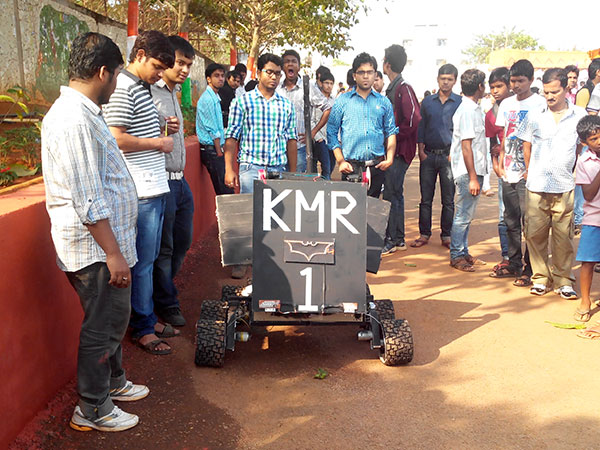
Industry internships, research work, collaborative projects and capstone projects create opportunities to build prototypes and solve practical problems.
A 360-degree learning experience for the evolving world of Electronics.
Technical foundations
Rigorous academics build the fundamental engineering knowledge needed for professional practice and advanced learning.
Hands-on learning
Academic laboratories, research facilities, practical projects and open-ended problem solving strengthen applied engineering skills.
Industry exposure
Industry partnerships, internships, electives and collaborative projects help students understand contemporary professional requirements.
Innovation & entrepreneurship
Capstone projects, prototype development and KIIT incubation support help students move ideas towards real-world solutions and ventures.
From fundamentals to professional and research readiness.
The School combines updated curricula, specialised electives, practical experience, research and interdisciplinary opportunities in one connected learning journey.
-
01
Understand
Build strong foundations in Electronics Engineering, mathematics, science and related technical principles.
-
02
Apply
Connect theory with application through laboratories, hands-on projects, analytical problem solving and product design.
-
03
Specialise
Choose electives in areas such as electric vehicles, embedded design, networking, computing & analytics, IoT and cyber-physical systems.
-
04
Connect
Learn through industry internships, research work, collaborative projects and interdisciplinary courses across KIIT-DU.
-
05
Lead
Develop communication, teamwork, leadership and ethical skills for careers, higher studies, research and entrepreneurship.
Programmes, research and infrastructure working together.
The School supports learning through undergraduate and postgraduate programmes, modern laboratories, research facilities and engagement with industry.
Undergraduate and postgraduate programmes
Explore B.Tech and M.Tech pathways designed around current and emerging areas of Electronics Engineering.
Explore programmes → ResearchResearch, projects and innovation
Students engage with research work, collaborative projects and prototype development connected to real-world engineering challenges.
Discover research → InfrastructureAcademic and research laboratories
Learn with modern academic laboratories, research facilities, classrooms, reading spaces and digital learning resources.
View laboratories →Facilities designed for technical learning, experimentation and research.
The School provides air-conditioned classrooms, academic laboratories, a conference hall, reading rooms, research laboratories and round-the-clock library access.
Academic laboratories equipped to support practical learning across Electronics Engineering disciplines.
Research facilities where students can participate in advanced research projects and prototype development.
Library resources including journals, e-resources, databases, newspapers, magazines and around 13,000 books.
Collaborative spaces including a conference hall and reading rooms supporting academic exchange and independent study.
A learning culture built around knowledge, application and professional growth.
The School’s academic approach develops technical competence together with problem solving, research, teamwork, communication, leadership and ethical responsibility.
Fundamentals
Build strong technical knowledge and engineering foundations for advanced learning and professional work.
Application
Use analytical problem solving, practical work and product design to connect theory with real engineering challenges.
Collaboration
Learn through interdisciplinary study, industry partnerships, internships, research and collaborative projects.
Leadership
Develop teamwork, communication, leadership and ethical skills for effective professional and societal engagement.
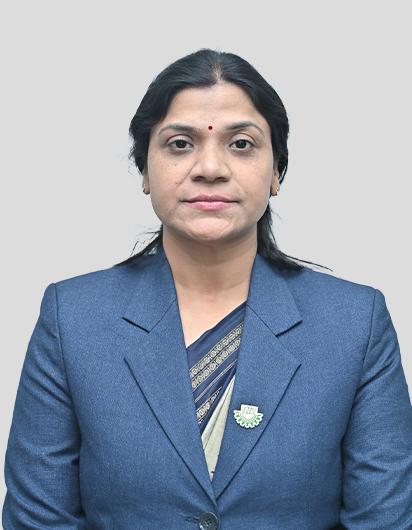
Academic leadership guiding the School of Electronics Engineering.
Meet the leadership listed on the official School of Electronics Engineering About page.



Build your future in Electronics Engineering.
Explore programmes, laboratories, research and opportunities at the KIIT School of Electronics Engineering.